.
.
.
.
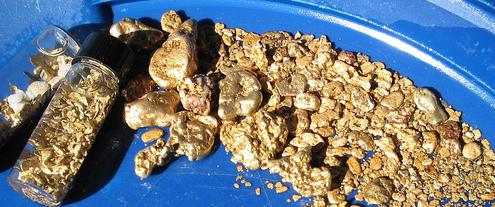
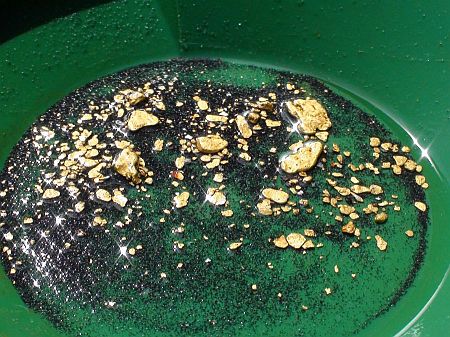
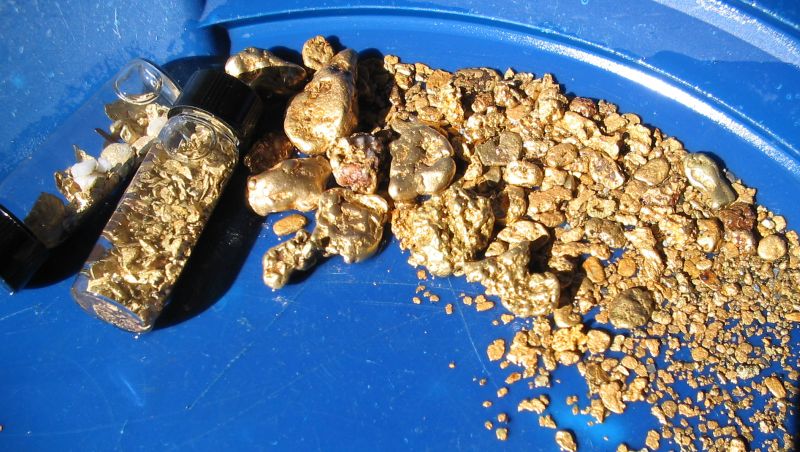
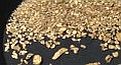
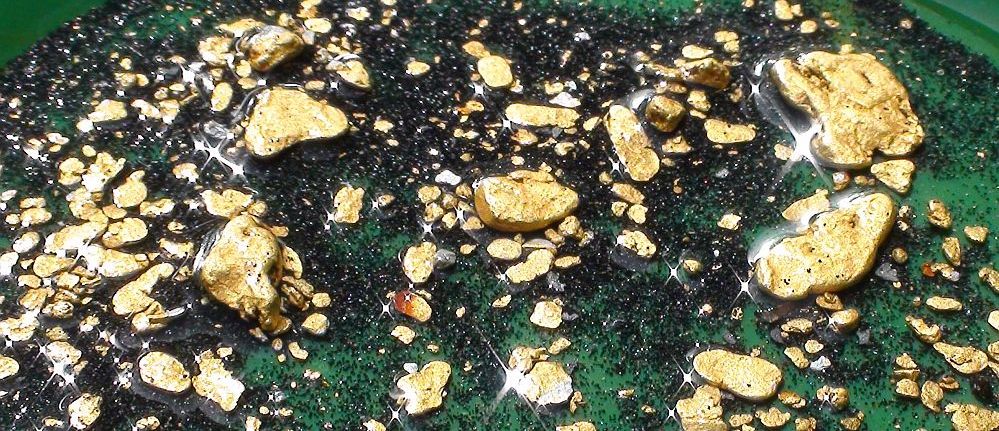
Our chances of finding a large nugget or a massive chunk of gold may actually be better today than ever before.  Underwater placers, never before accessible, can now be worked with ease. New improved dredging techniques and modern-day heavy equipment now allow us to explore and work many areas of virgin ground. The development of new and improved metal detectors may now enable us to locate deeply hidden veins and pockets.  Dry-land highbanking and crevicing and panning is another fun (and inexpensive) way to find gold. 
Owning a gold property gives you exclusive privilege over the mining of minerals on your property for as long as you desire, whenever you like, whenever you've the need to get away to this special place that few can even imagine.

The Salmon River region

One of the easiest and most scenic ways to enter into this region is from Yreka following along on Highway 3...   This takes you through the length of Scott Valley - a rich ranching area nestled in the mountains to the southwest, where you will find the valley dotted with tiny communities that date back to the gold rush era when this region was a supply station for miners in the mountainous mining districts that are situated along the gold-rich Scott, Salmon, and Klamath Rivers.   Visiting this valley is like stepping back in time - to a time when things were less complicated and hectic - where the valley is a colorful patchwork of many different farm lands that are surrounded by magnificent mountains.  Located just west of the Marble Mountain Wilderness in the small towns of Ft. Jones and Etna, visitors find accommodations such as; gasoline and groceries, a motel, B&B's, and a beautiful RV park. There are interesting shops, fine restaurants and cafe's, an old-fashioned ice cream parlor, a bakery, an excellent microbrewery and winery that specializes in fruit wines - Everything one needs before traveling over the forested pass, into the Salmon River region mining district.  While heading west out of Etna you will immediately begin winding your way up through the forest to the Pacific Crest Trail at Etna Summit.  Down from the summit, at the bottom of the pass, is where you will begin to catch your first few glimpses of the North Fork of the Salmon River - particularly as you enter into the picturesque little historic gold mining community of Sawyers Bar.  It is from this point in your travels where you will constantly be within sight and sound of the crystal-clear waters of the North Fork of the Salmon River.

The Salmon River watershed is unique...

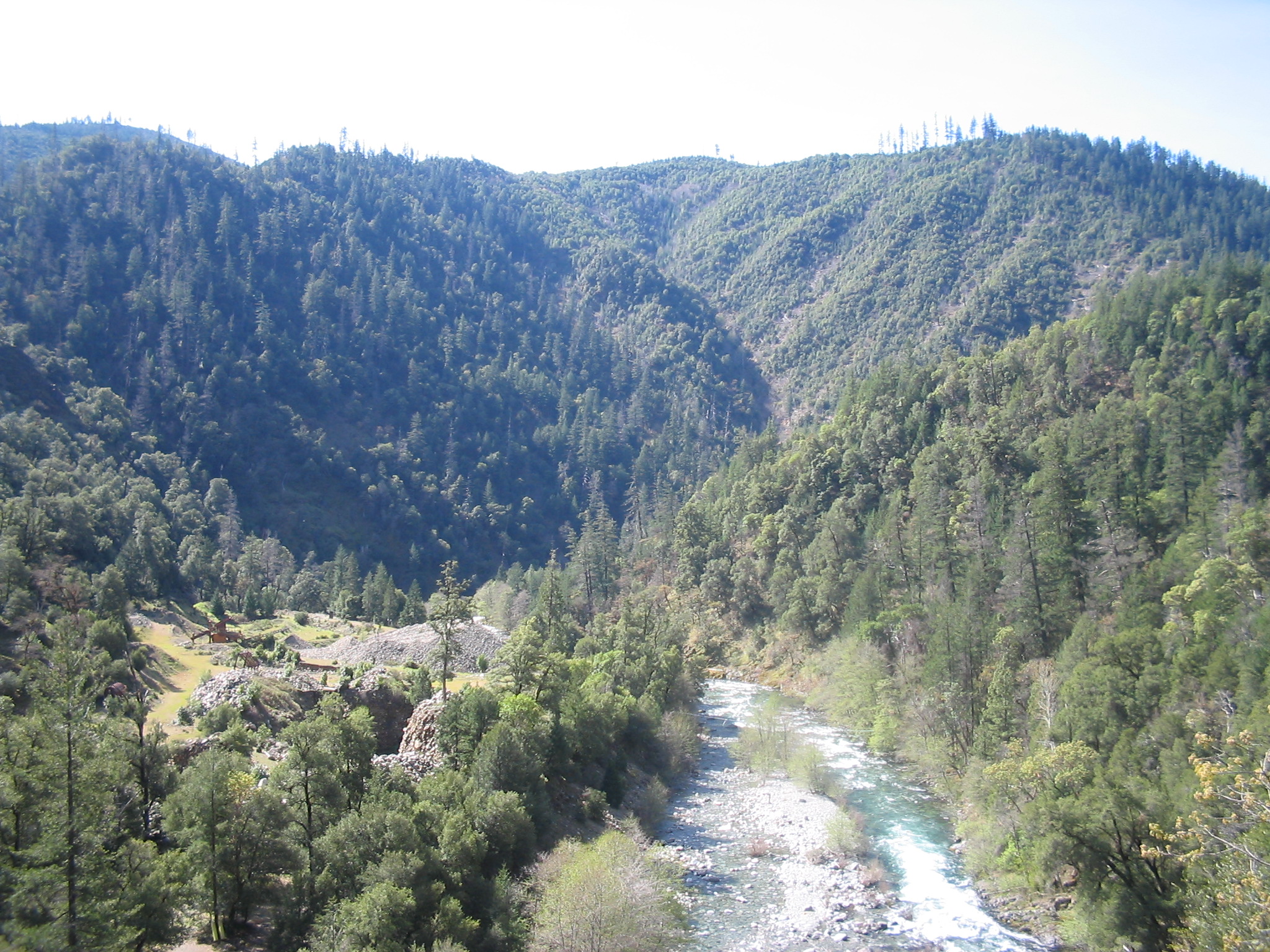
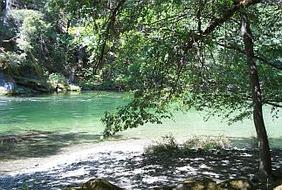
Unlike the other major tributaries of the Klamath River, (the Shasta, Scott, and Trinity rivers), the Salmon River does not run through a valley on its journeys.  It has no farming, industry, or major population within its boundaries - keeping it one of the cleanest rivers in the west. 
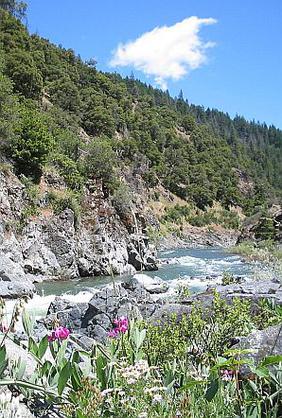
It has its head waters in the interior of the Marble Mountains Wilderness and in the Russian Wilderness, while it counterpart; the South Fork of the Salmon River, drains from the Salmon Mountain Wilderness and the divide of the Trinity Mountain Wilderness. The whole course of this watershed is steep and rugged.  The Salmon River is a wild, free flowing river.

Millions of ounces of gold have been mined from this region
                                                                                and it's just the tip of the iceberg. 

In the rivers, much of the gold was left behind in deposits which the early miners were not interested in mining because while there might have been a lot of gold in some sections of the river during the gold-rush years, it might also have been too widely dispersed or sitting underneath too much overburden to make the gold worth mining in those days. Other very rich deposits throughout the region were missed because they were out of sight. 
Without processing every bit of streambed and all of the surrounding terrain, (which they did not have the capability to do), the old-timers simply could not find all of the gold deposits that existed during their time.  Alot of the gold that was mined was never recovered - it was washed out of the high streambed deposits through their sluice boxes and went right back into the present rivers and creeks.  This was particularly true of hydraulic mining where an estimated 59% of the gold was missed by many of the large and small operations alike.  The last 100 years of erosion too, has washed a great deal more gold into the present rivers of this region from the numerous immeasurable lode sources that are still in existence today.  In taking all of this into consideration, we are talking about a lot of gold still existing in this gold-bearing region.. One might easily estimate; more, than has already been mined out of it.
Historically, the Salmon River was one of the richest gold producers in California... It is by far the richest River in Siskiyou County, where a great deal of the gold that has been found has never been recorded, and the values that "have" been reported, equate to billions of dollars at today's prices. There are certainly some rich rivers down south, but the Salmon River stands alone in terms of its gold values, scenic beauty, history, wildlife, and many other opportunities that are available.

Many people find there is just so much to do here that they come back year after year.  Even President Hoover, (a mining engineer and avid fisherman), had a secret cabin just off of the Salmon River.  Zane Grey was another frequent visitor of this area... yet, most have never heard of this gold rich region paradise.  The fishing is excellent - with Rainbow Trout, King Salmon, and the highly prized Steelhead that is considered by many; "the ultimate sporting fish".  Hunting, river rafting, kayaking, horseback riding, camping and hiking, are very popular, as well.
Because it is hours away from any metropolitan area, you can rest assured that you won't be bothered by the hectic crowds that tour the central California gold mining areas.  And because this area is several hundred miles away from the famous but congested Mother Lode area, it has not been heavily worked by modern gold mining activity. The opportunity for successfully prospecting and mining in this region is excellent.

A brief glimpse of some of the documented gold history on the North Fork of the Salmon River, aka; "The richest little river in America"

One small tributary to the North Fork of the Salmon River is Russian Creek.  This creek drains the Snowden Mining District.   Rich with lode gold deposits, this district is the first known contributor of gold to the North Fork of the Salmon.

Less than 10 miles down river is the Sawyers Bar Mining District.  On the south side of the drainage are Whites Gulch and Eddy Gulch; the second district of high-grade lodes to add gold to the North Fork.  There are a few small outcroppings and known lode deposits on the north side of this same district that added to the very rich placers found from Whites Gulch down to Sawyers Bar. The lode deposits of this district are the last known major contributors of gold to the North Fork. 

From Sawyers Bar down to Kelly Gulch, drag lines and hydraulics produced an estimated $4M in gold (at $16 to $20 an ounce). Eddy Gulch and Whites Gulch are on the north/east slope of the Blue Ridge, with nuggets that have recently been recorded ranging up to 5-ounces.  Along the top of this ridge were several successful lode mines. The Black Bear Mine being the most notarized and richest lode mine in Siskiyou County, with an estimated 200,000 ounces of gold recovered between the years 1850-1930.  The 1925 California State Mineralogist’s report states that from Sawyers Bar to The Forks of Salmon (an approximate 15-mile stretch), produced an estimated 2M ounces in gold.  Other examples of data from California State Mineralogist’s reports and numerous private geologic reports state approximate gold production for Eddy Gulch at 150,000 oz in the 1850's, while the Klamath Mine recorded in the neighborhood of 35,000 oz.between the years of 1863-1910. The Mt. Laurel Mine recorded another 36,000 oz. between the years 1863-1910, and the list goes on, noting that the ounce values are very conservative, and the production records that are available, are far from complete.

In summary, this very interesting triangular group of mountains contributes enormous amounts of gold to the entire Salmon River watershed

On the South Fork of the Salmon River...

Less than 20 miles down river from Sawyers Bar is the Forks of Salmon Mining District.  Here, we meet the South Fork of the Salmon River... Draining from the south/east, the South Fork will pass through two important lode districts;
The first is less than 4 miles up the South Fork, known as; the Knownothing Mining District. This district drains down from the north slope of the Salmon Mountains at the Siskiyou/Trinity county line.
Less than 10 miles up the South Fork, on the north/east side of the river, is the; Liberty Mining District.   This district was the most productive in the South Fork drainage. This is the south/west slope of the Blue Ridge that feeds gold into the North and South Forks of the Salmon River, all the way up the East Fork of the South Fork, as mentioned earlier. 

On the Main Stem of the Salmon River...

Down-river from the Forks of the Salmon, the first six miles is almost a continual secession of bars and high benches. These workings were a large contributor to the record production the Salmon River is known for.  The most important of these being the Crapo Mine, reported to of had 20 to 25 feet of rich gold bearing gravels overlaid with 20 to 60 feet of soil with red and yellow clays.  Production records show that most of these bars ran 400 to 1000 ounces of gold per acre. 
One 2½ acre production from the Bloomer Hydraulic Mine produced more than $20,000 of gold per acre (at $14.00 per ounce). One report stated that some of the higher benches in this district had coarser gold and that lower bars contained more gold over all.  Most of these operations would dump their tailings into the river to be carried away.  The lowest of these bars are the Sauerkraut and the Morehouse Mines.  These were both high bench operations. Traveling downriver still, it is 13 miles before the Salmon joins the much larger Klamath River.     

Starting at the 13 mile marker, all the way downriver to just above the 5-mile marker, the Salmon River is very narrow, with steep canyons, large boulders, and deep pools of crystal clear water... Within this canyonous 8 miles access is very difficult...Two exceptions are the Indian Bottom Mine at about the 10-mile marker, and at Butler Flat, located just below the 9-mile marker.  Downriver just above the 5 mile marker is Murderers Bar - the first bar in another almost continuous concession of bars.  These river bars run all the way to Somes Bar Mining District, found at the mouth of the Salmon River, where it spills into the Klamath River. Several of these bars were rich enough to work with a derrick.   Some were also patented.

The Salmon River region is an excellent source for finding lots of
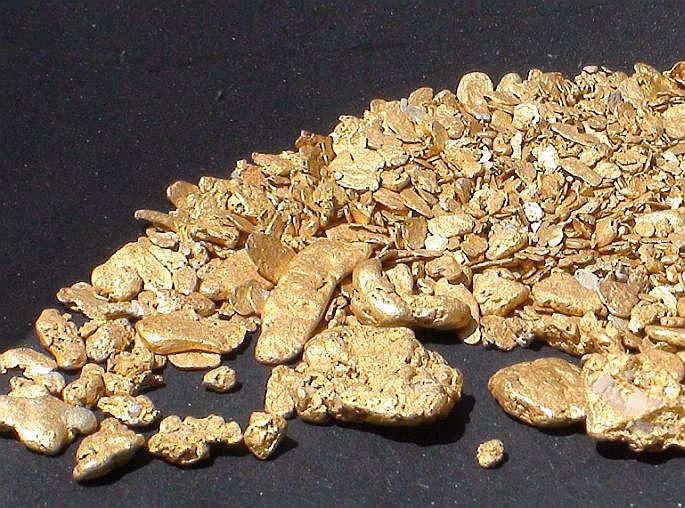
high-grade gold...

If you're in the market for owning a great gold property, there is no place on Earth where you will find anything quite like this region.  Two of the most successful mining clubs in the U.S. have concentrated their efforts in this area... This, in itself, speaks loudly of this regions' richness.
This is a place where you will get gold in your riffles every time... Where the history of California's gold rush still lives on...Where prospectors young and old can experience the thrill of finding gold in one of the richest gold mining regions in America.
A Snapshot Of This Regions Rich Gold History
Area closeup
1.
2.
3.
1. North Fork     
2. South Fork     
3. Main Stem
The Salmon Rivers
The sources of the placer gold that is found in these rivers most likely comes from a series of lode deposits that strike across the head of this mountainous region.
Historically rich gold mining region
Historically rich in sources of gold, this triangular group of mountains is most likely responsible for the largest part of the placer gold that we find in the Salmon Rivers. Nowhere will you find better potential for recovering very large high-grade deposits of gold as within this regions' historically rich mining districts.
A world-class high-grade gold mining region of unlimited potential located in extreme northern California.
A Historic Gold-Rich Region

The first announcement of a gold discovery in California came by way of the "Californian" newspaper on 15 March, 1848. By May of that same year, that same newspaper suspended publication because most of the employees left San Francisco and joined the rush to riches. By the year 1849, prospectors worked their way up the Klamath and Salmon Rivers into new unsearched lands, the land of the Siskiyou mountain range. Siskiyou County was formed on 22 March, 1852 from parts of Shasta and Klamath Counties.

Siskiyou County contains a great portion of the Siskiyou Trail. This trail connected the California's Central Valley to the Pacific Northwest. The trail was based on Native American migration paths and was further expanded by Hudson's Bay Company trappers in the 1830s. The trail was further established and utilized by the wave of gold seekers during the great California Gold Rush.

From the book “Gold Mining in Siskiyou County, 1850-1900” by Gary Stumpf:

"In June of 1850, gold was discovered near Forks of Salmon by a party of men who had come over the ridge from the North Fork of the Trinity River. While these men were prospecting here and on up on the North Fork of the Salmon, another party of gold seekers was moving up the Klamath River from its mouth. This latter expedition forged its way along the river, but Indian resistance finally forced them to turn back near what was later known as Happy Camp. At some point in their retreat, they left the river, struck out over the mountains, and arrived at Forks of Salmon, full of enticing stories about the gold they had found along the Klamath."

Early prospectors in Siskiyou County worked the placer deposits along all the major rivers and creeks but they knew that the gold was carried down from bearing veins up in the mountains. They continued to work the placer deposits in the river beds, mostly because it was cheaper and easier. "Quartz Mining" was an expensive enterprise, especially with the cost of materials and goods that quickly inflated with the surge of thousands of men. Another factor that kept the miners down in the valleys was the lack of sufficient roads up into the mountains. Even so, the gravels and beds of the rivers were excessively rich, and placer mining continued long after lode mining commenced in 1860.

Existing game trails and foot paths were expanded, and soon there were long trains of mules hauling carts and wagons filled with building and mining materials up into the hills. One such popular trail was the Deacon Lee Trail. This trail was widely used as a means of transporting materials and supplies to the major mining operations within the Liberty Mining District. Road and trail networks in this mountainous region were key to the success of the mining operations. Evidence of the old mining roads can still be found today and create a spider web network of access routes throughout the region.

In 1860, an outcropping of gold bearing quartz was discovered in Whites Gulch by four men. Soon after the discovery, a claim was laid out and a mill was purchased in San Francisco and moved to the discovery location, "much gold was taken out". Charles Nash and another party of prospectors traveled up nearby Eddy Gulch and discovered gold bearing quartz veins breaking through the surface of the ground. This resulted in the delivery of a second quartz mill to the area. The mill for the Live Yankee Mine was brought up Eddy Gulch to what is now called the Live Yankee Gulch, at the head of Eddy Gulch.

The discoveries of these rich ore bodies were followed by the establishment of the famous Black Bear Mine. The deposit at the Black Bear Mine was discovered in 1860 and consisted of two incredibly rich veins, one running north and south, and the other vein ran east to west. The Black Bear Mine has a very documented recovery history with receipts of bullion being shipped to the Selby Smelting Works or to the US Mint in San Francisco. The Black Bear Mine recovered 200,000 ounces of gold between 1860 and 1885. This places a current day value of about 300 Million Dollars on that same recovery.

There was another vein discovered just north of the Black Bear called the Yellow Jacket. The Yellow Jacket contained three parallel veins, each running north and south. The majority of the mines in the area worked in a primitive black slate formation which is further explained in multiple geology reports. This formation is almost identical to the major gold deposit found in the Sierra Nevada range, both having considerable bearing veins running to depths and lengths for miles.

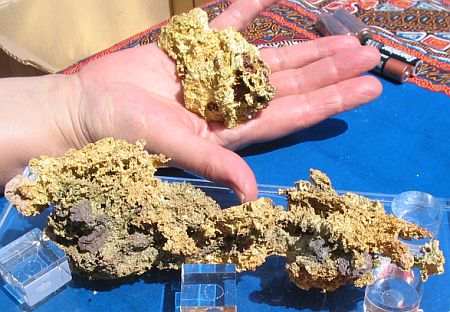
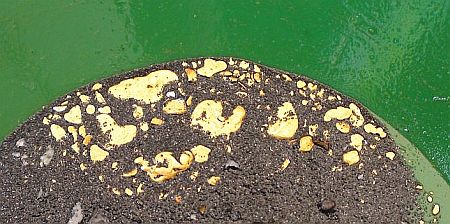
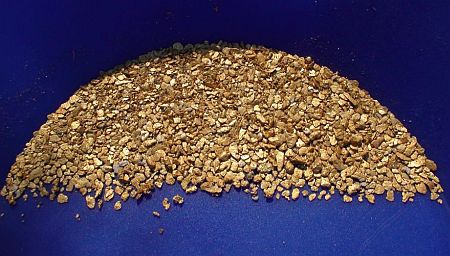
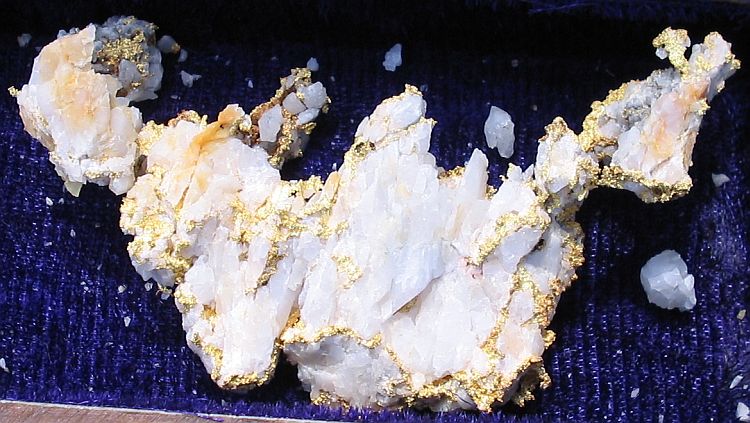
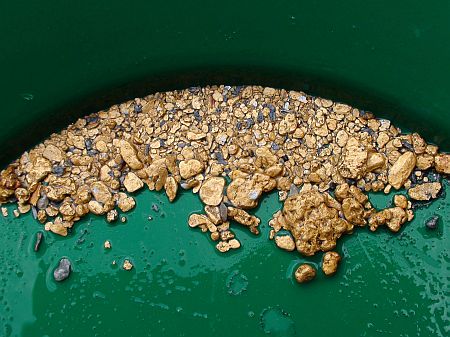
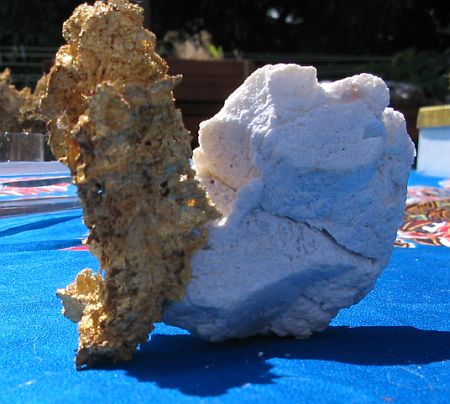
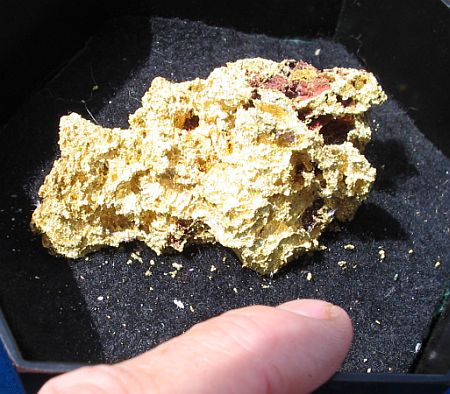
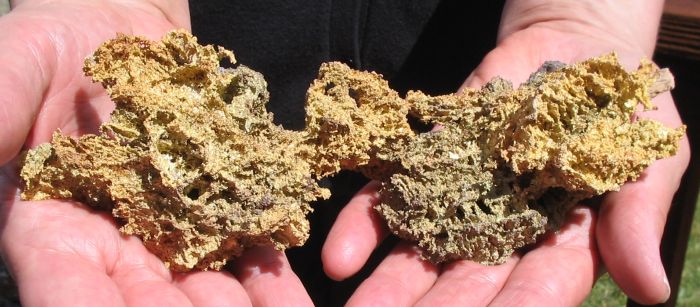
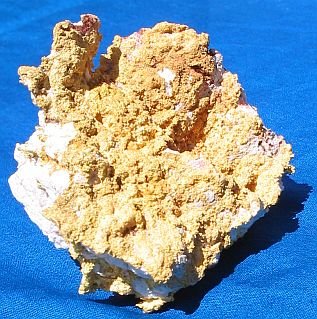
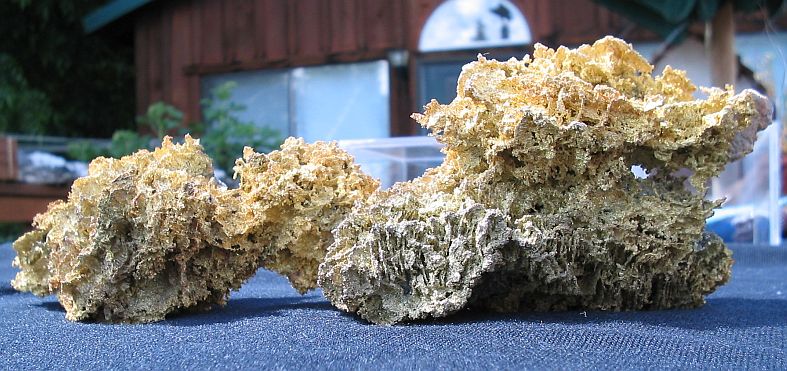
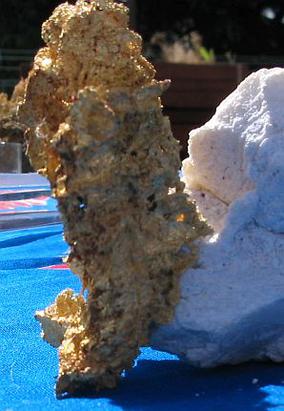
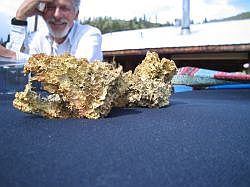
LIBERTY DISRICT GOLD SPECIMEN
  Extreme Northern California
HOME-WELCOME
CONTACT US
ABOUT US
GOLD GALLERY
A SNAPSHOT OF THIS REGIONS RICH GOLD HISTORY
FEATURED GOLD PROPERTY LISTINGS
...the most trusted name in gold property listings
MINERAL PROPERTY RIGHTS - FAQS
WHY HIGH-GRADE GOLD DEPOSITS STILL EXIST
HOW MINING BENEFITS OUR EVERY DAY LIVES
PROSPECTING TIPS AND AREA GUIDELINES
A BUYER'S GUIDE
RELEVANT POINTS OF LAW CONCERNING UNPATENTED MINING CLAIMS
    Quality Unpatented Mineral Properties For Sale.  (540) 207-8627                                                                                     © Copyright 2012 The Claim Post. All rights reserved.

view
Representing the finest in gold property listings
The Claim Post
Celebrating over 30 years in the industry! 
Specializing in the Salmon River region.
view